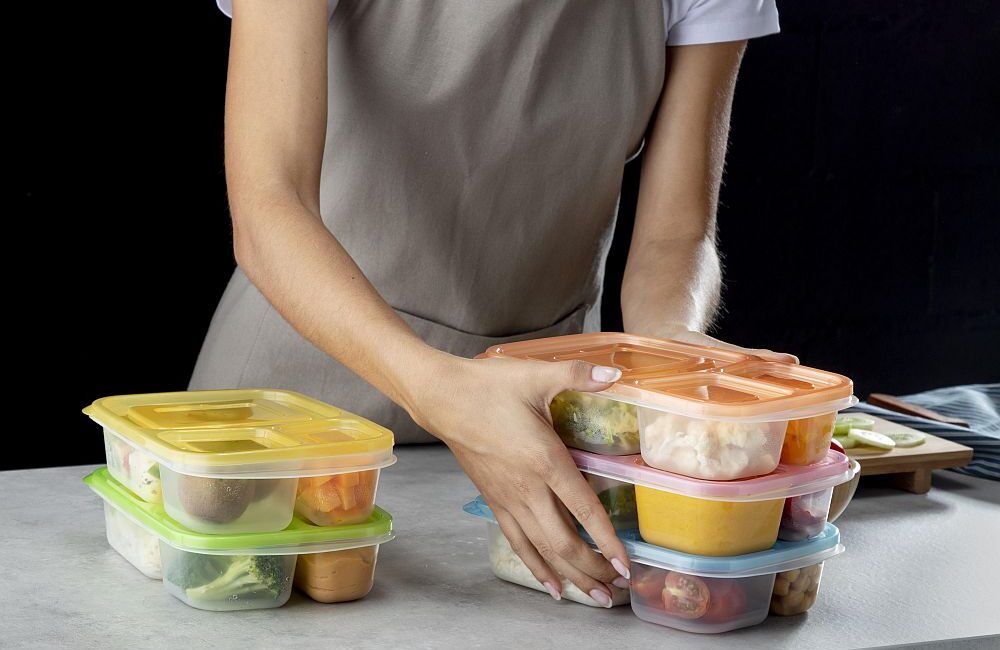
When you select a plastic food container for tomorrow’s lunch, you’re making a choice that connects you to a global industry worth billions of pounds and an environmental challenge that grows more complex each year. This seemingly mundane decision reflects broader tensions between convenience, sustainability, and health consciousness that define contemporary consumer culture in ways that would have been unimaginable just decades ago.
The Hidden Chemistry of Food Preservation
Modern food storage containers represent sophisticated engineering achievements disguised as everyday objects. The molecular architecture of these vessels involves carefully calibrated polymer chains designed to create optimal barrier properties whilst maintaining structural integrity across temperature variations and repeated use cycles.
Consider the intricate balance required: containers must prevent moisture loss without trapping excess humidity, allow some gas exchange whilst blocking contamination, and maintain chemical stability across diverse food types and storage conditions. This balancing act requires precise understanding of polymer science, food chemistry, and consumer behaviour patterns.
The manufacturing process itself reveals fascinating complexities. Injection moulding techniques must account for thermal expansion, cooling rates, and stress distribution to produce containers that won’t crack under normal use. Quality control measures involve testing for everything from impact resistance to chemical migration rates under accelerated aging conditions.
Global Supply Chains and Local Regulations
The journey of food storage containers from production facilities to kitchen cupboards traverses complex international supply networks that reflect globalisation’s reach into the most intimate aspects of daily life. Raw materials sourced from multiple continents undergo processing in specialised facilities before assembly, packaging, and distribution through retail channels spanning the globe.
Singapore’s approach to regulating imported food contact materials demonstrates how small nations can exert significant influence over global manufacturing standards. The city-state’s Health Sciences Authority maintains rigorous testing protocols that often exceed requirements in larger markets, effectively forcing international manufacturers to meet higher safety standards across their entire production lines.
Consumer Behaviour and Storage Patterns
Research into how people actually use food storage containers reveals surprising gaps between manufacturer intentions and real-world applications. Studies indicate that most consumers significantly underestimate the importance of proper container selection for different food types, leading to suboptimal preservation results and potential safety concerns.
Temperature abuse represents one of the most common misuse patterns. Despite clear labelling, many users regularly subject containers to thermal conditions beyond their design parameters, whether through microwave use, dishwasher cycles, or storage near heat sources. This behaviour accelerates chemical migration whilst compromising structural integrity.
Food acidity presents another frequently misunderstood factor. Tomato-based sauces, citrus products, and vinegar-containing foods can dramatically increase the rate at which plastic additives migrate into stored food, yet most consumers remain unaware of these interactions.
Innovative Materials and Future Technologies
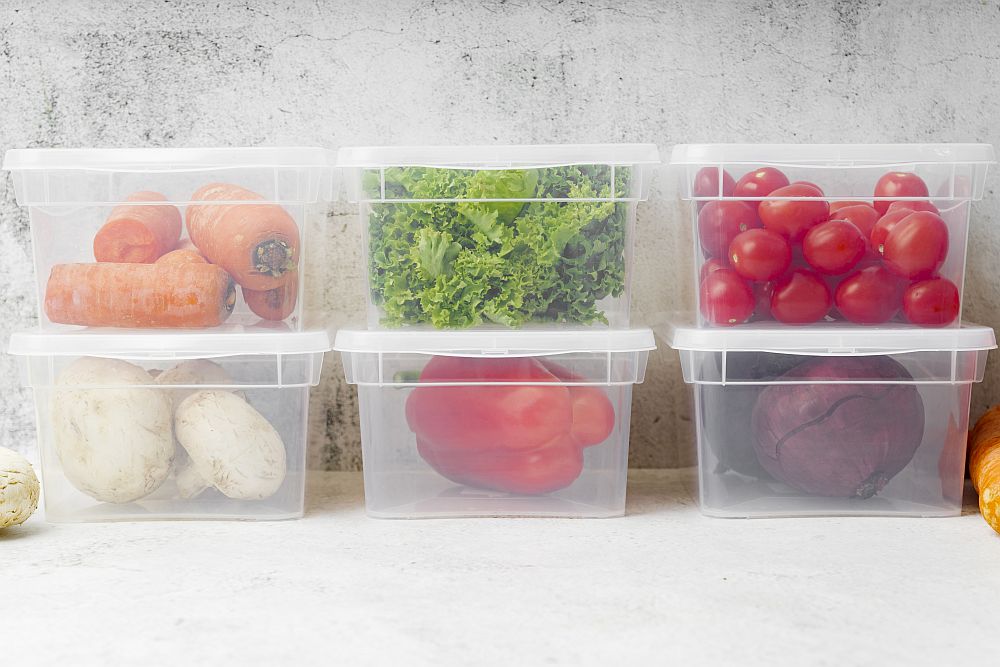
The next generation of food storage solutions promises to address many current limitations through advanced materials science and innovative design approaches. Bio based polymers derived from plant materials offer potential alternatives to petroleum based plastics whilst maintaining necessary performance characteristics.
Smart packaging technologies integrate sensors that can monitor food freshness, storage conditions, and container integrity in real time. These developments represent convergence between traditional packaging science and emerging digital technologies that could transform how we understand food safety and waste reduction.
-
Advanced barrier coatings that provide superior protection with thinner walls
-
Temperature-sensitive indicators that alert users to thermal abuse
-
Antimicrobial additives that extend food safety margins
-
Biodegradable options that maintain performance whilst reducing environmental impact
-
Modular designs that optimise storage efficiency and reduce waste
Economic Implications of Storage Choices
The economics of food storage extend far beyond initial purchase prices. Proper container selection can significantly impact food waste rates, which represent substantial hidden costs for most households. Research suggests that optimal storage conditions can extend food freshness by thirty to fifty percent for many products, translating into meaningful financial savings over time.
Professional food service operations have long recognised these economic relationships, investing in specialised storage systems that maximise product life whilst minimising contamination risks. Home consumers increasingly adopt similar approaches as awareness of food waste costs grows alongside environmental consciousness.
Regional Variations in Usage Patterns
Cultural differences significantly influence food storage preferences and practices across different regions. Asian markets tend to favour smaller, portion specific containers that align with frequent shopping patterns and smaller refrigeration units. European consumers often prioritise durability and multifunctionality, while American preferences lean toward larger capacity options suitable for bulk purchasing habits.
These variations drive different product development priorities and regulatory approaches across global markets. Understanding these patterns helps explain why certain container types succeed in specific regions whilst failing elsewhere, despite seemingly superior technical specifications.
Making Informed Storage Decisions
Navigating the complexities of modern food storage requires understanding both technical specifications and practical usage patterns. Container selection should account for intended food types, storage duration, temperature conditions, and disposal considerations to optimise both safety and environmental impact.
Regular replacement schedules prevent accumulated wear from compromising container performance, whilst proper cleaning techniques extend useful life without introducing contamination risks. The intersection of these factors determines the overall value proposition of different storage solutions.
As we continue to balance convenience, safety, and environmental responsibility, the humble plastic food container serves as a microcosm of larger societal challenges that require thoughtful consideration rather than reflexive responses. The future lies in making increasingly informed choices about this essential plastic food container.