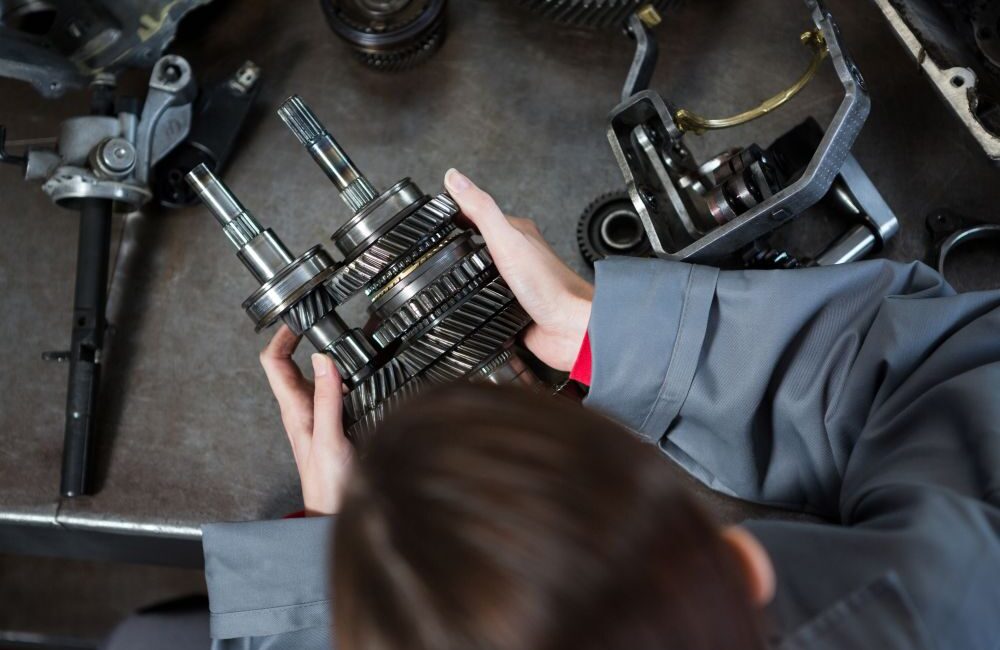
Most drivers assume any general workshop can handle gearbox trouble the same way it handles brakes or an oil change, but a transmission is one of the few components where the wrong hands can turn a repairable fault into a total replacement within a single test drive. Gearboxes are precision assemblies with tight tolerances, and diagnosing them correctly requires equipment and experience that many general workshops simply do not carry. Choosing a Gearbox Specialist with dedicated transmission experience, rather than defaulting to whichever workshop is closest, is what actually protects a car from unnecessary cost.
Why Gearbox Problems Are Often Misdiagnosed
Symptoms like delayed engagement, shuddering on acceleration, or a burning smell are frequently blamed on the engine or engine mounts by workshops without dedicated transmission tools, since the two systems sit close together and share some overlapping symptoms. A misdiagnosis here does not just waste money on the wrong repair, it often means the actual fault continues to worsen while the real cause goes unaddressed for weeks or months at a time, sometimes until the unit fails completely.
Automatic Versus Manual: Different Warning Signs
Automatic transmissions tend to signal trouble through delayed or harsh shifts, slipping between gears under load, or fluid that has turned dark and burnt-smelling well before its scheduled change. Manual gearboxes more often show grinding when changing gears, a clutch pedal that feels different than usual, or gears that pop out of engagement unexpectedly. Recognising which pattern applies narrows down the likely cause considerably before any inspection even begins.
What Specialist Experience Actually Means
Genuine specialist experience means a workshop has handled rebuilds, not just fluid changes, across a range of transmission types and has technicians trained specifically on gearbox internals rather than general engine repair. Ask how many transmission rebuilds the workshop completes in a typical month, since a low number suggests the work is occasional rather than a core part of what the team actually does day to day.
Diagnostic Tools a Proper Specialist Should Use
Beyond a standard code reader, a proper transmission diagnosis often involves a road test with live data logging, a fluid condition and level check, and in some cases a pressure test to check internal clutch pack function. These tools distinguish a genuine internal fault from an external sensor or wiring issue, which matters considerably given how differently the two are priced to repair.
Questions About Fluid and Filter History
Ask when the transmission fluid was last changed and whether the filter, where applicable, was replaced at the same time, since fluid condition alone accounts for a large share of preventable gearbox failures. A specialist transmission workshop should be able to test fluid condition on the spot and explain what the colour and smell indicate about internal wear before recommending anything more invasive.
Rebuild Versus Replacement: How the Decision Gets Made
A rebuild replaces only the worn internal components, such as clutch packs, seals, and solenoids, while a full replacement swaps the entire unit. The right choice depends on the extent of damage, the age of the vehicle, and whether a quality rebuilt or reconditioned unit is available for that specific model. A specialist should walk through both options with actual cost figures rather than defaulting to whichever is more profitable for the workshop.
What to Expect From a Fair Quote
A fair quote separates diagnostic time, parts, and labour clearly, and explains what specific test confirmed the fault rather than relying on symptoms alone. Given the cost involved, it is reasonable to expect a written breakdown before authorising any teardown, along with a clear answer about what happens to the cost already paid if the car turns out to need a different repair once opened up.
Red Flags in a Gearbox Workshop
Be wary of a workshop that recommends a full replacement without first road testing the car or checking fluid condition, or one that cannot explain what specifically failed once a teardown is complete. A specialist confident in their diagnosis will typically show the failed component and explain in plain terms what caused it, rather than offering only a total figure with no detail behind it, which is worth treating as a minimum standard.
How Long a Proper Repair Should Take
A fluid service typically takes under an hour, while a full rebuild commonly runs from three days to over a week depending on parts availability and the extent of internal damage found once the unit is opened. Rushed timelines on a rebuild are worth questioning, since a properly reassembled transmission requires careful torque specifications and testing that cannot reasonably be compressed into a single afternoon without risking a repeat failure.
Choosing the Right Specialist for the Job
The most reliable indicator is a workshop that diagnoses thoroughly before quoting, explains findings in specific rather than vague terms, and stands behind the work with a clear written warranty on both parts and labour. A properly vetted Gearbox Specialist will treat these expectations as standard practice rather than an unusual request, which is itself a useful test when comparing workshops.