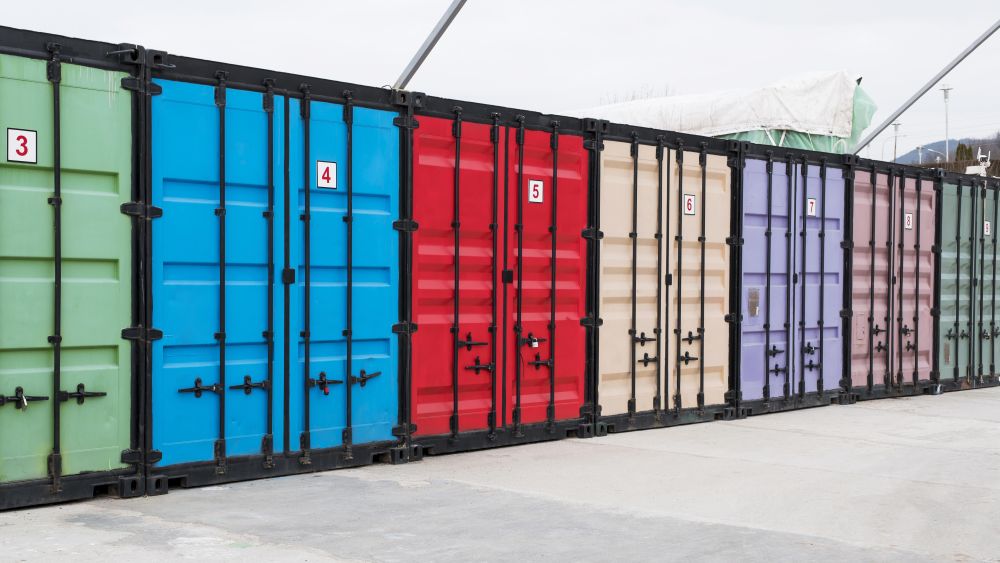
Businesses new to buying an iso container often assume size is simply a matter of picking whichever number sounds roughly right, when in practice the standard range covers several distinct combinations of length, height, and specialised format, each suited to a different kind of use. Getting the size wrong is one of the more expensive mistakes to correct after purchase, since a unit too small forces a second buy and one too large wastes both budget and site space.
The Two Core Lengths Most Businesses Choose Between
20-foot units suit smaller sites, lighter storage loads, or situations where manoeuvring space is limited, while 40-foot units roughly double the floor area for a proportionally smaller increase in delivery cost. Many businesses default to 20-foot simply because it sounds more manageable, without actually comparing the cost per square metre of storage between the two lengths, which usually favours the longer unit once the numbers are worked through properly.
Standard Height Versus High-Cube Variants
High-cube units add roughly a foot of internal height over standard units, which matters considerably for businesses stacking pallets, installing racking, or storing taller equipment. The extra height rarely changes the delivered price by much, making high-cube a reasonable default unless the site has a specific height restriction that rules it out. Checking overhead clearance at the intended site before ordering avoids an awkward mismatch on delivery day.
Internal Volume and What It Means for Practical Capacity
Rated internal volume assumes efficient packing, which rarely matches how a business actually loads a unit once racking, walkways, and irregular items are accounted for. A more realistic planning figure allows for twenty to thirty percent less usable capacity than the quoted volume suggests. Businesses sizing purely off the published cubic metre figure often find themselves short of space sooner than expected, sometimes within months of an otherwise carefully planned move.
Specialised Formats Beyond the Standard Box
Open-top units, flat racks, and refrigerated variants extend the standard range for cargo that does not suit a fully enclosed box, such as oversized equipment loaded from above or temperature-sensitive goods. These formats cost more and are less commonly stocked secondhand, so businesses with a genuine need for them should expect a longer search and a smaller pool of available units to choose from, and should budget extra lead time accordingly.
Matching Size to Storage Density Needs
Businesses storing bulky, low-density items such as furniture or event equipment generally benefit more from additional floor area, favouring 40-foot units, while those storing dense, palletised stock often get more value from height, favouring high-cube variants. Working through actual inventory dimensions before selecting an iso container avoids the common mistake of sizing by gut feel rather than measured need.
Sizing for Site Office and Workspace Conversions
A single 20-foot unit works adequately as a small site office, but businesses needing a meeting area, storage, and a workspace together often find a 40-foot unit, or two units joined, considerably more practical than trying to compress everything into the smaller footprint. Underestimating space needs for a conversion is a common regret, since retrofitting a second unit later costs more than sizing correctly from the outset, particularly once fit-out work has already been completed on the first.
Sizing Considerations for Retail and Display Use
Pop-up retail and display uses often favour 20-foot units for their more approachable scale and easier siting on constrained urban plots, even though this sacrifices some usable floor area compared with a 40-foot alternative. The trade-off between footprint and visual approachability is worth weighing deliberately rather than defaulting to whichever size is simply more available at the time, since the wrong choice can undermine the presentation a retail concept is built around.
Fleet Sizing for Multi-Unit Projects
Projects requiring several units benefit from standardising on a single size and format where possible, since this simplifies handling, stacking, and any future rearrangement of the site layout. Mixing sizes across a fleet can complicate stacking arrangements and make it harder to reconfigure the site later without leaving awkward gaps between differently sized units, an issue that compounds as the fleet grows larger over successive project phases.
Common Sizing Mistakes Businesses Make
The most frequent mistake is sizing for current needs only, without allowing for reasonably foreseeable growth, which often leads to a second purchase within a year or two. A close second is underestimating the space lost to racking, walkways, and irregular stock shapes when translating a rated volume figure into real, usable capacity on site, a gap that only becomes obvious once the unit is already loaded.
Choosing the Right Size From the Start
Measuring actual inventory or intended use, allowing a margin for growth, and checking site access constraints before ordering consistently produces a better outcome than guessing and adjusting later. Selecting an iso container with this discipline saves both money and the disruption of a follow-up purchase down the line.